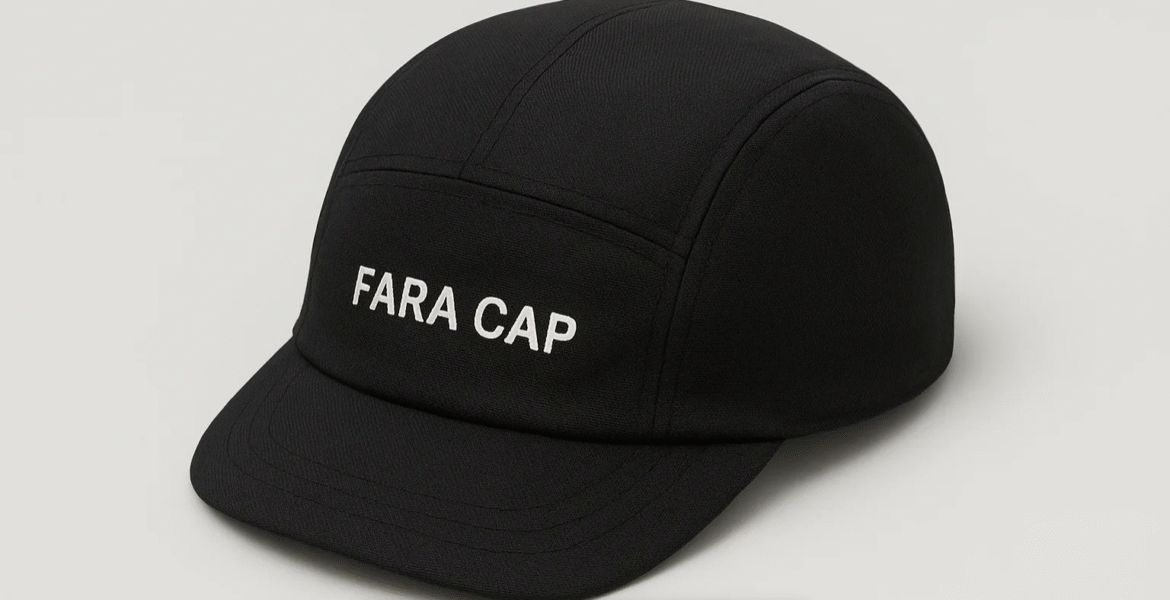
The Fara Cap is a classic cycling headwear piece that combines style, comfort, and heritage. Originating as a traditional accessory for cyclists, it is now admired worldwide for its timeless design and practicality. The cap not only protects against sun and wind but also serves as a symbol of cycling culture and history, making it a must-have for enthusiasts and fashion-conscious individuals alike.
This article explores the rich history, design, and cultural significance of the Fara Cap, tracing its origins in cycling traditions and its evolution into a timeless accessory. Readers will discover why it remains popular among cyclists and casual wearers, learn how to wear it stylishly, and understand the meaning behind its name. The guide covers materials, comfort features, and practical tips for everyday use while highlighting the cap’s enduring legacy in both sports and fashion.
Introduction to the Fara Cap Legacy
The Fara Cap has been celebrated for decades as an iconic piece of cycling history. Initially designed for professional cyclists, it offered protection from the sun, wind, and light rain while being lightweight and breathable. Over time, its simple yet elegant design transcended the cycling world, becoming a fashionable accessory for enthusiasts and collectors. Today, the Fara Cap embodies a perfect blend of functionality, tradition, and timeless style, capturing the essence of classic cycling culture.
Origins and Early History of the Cap
The cap’s roots can be traced back to early 20th-century Europe, where cycling was emerging as both sport and leisure activity. Cyclists needed headgear that offered minimal obstruction while providing essential protection. The Fara Cap, with its small brim and fitted crown, became a popular choice. Its construction from soft, breathable materials ensured comfort during long rides. This early adoption by professional cyclists helped cement its reputation as a functional and stylish accessory that would endure for generations.
The Design Features That Define It
Fara Caps are known for their distinct features: a soft crown, narrow brim, and often lightweight cotton or wool blend. The design emphasizes comfort, breathability, and practicality. The small brim shields the eyes from sunlight without obstructing vision, and the adjustable fit allows for long-term wear. Many modern versions include subtle branding or classic color patterns, blending heritage aesthetics with contemporary fashion. Its understated elegance allows it to complement both cycling attire and casual outfits, appealing to a broad audience.
Materials and Comfort Considerations
Modern Fara Caps maintain traditional materials such as cotton, wool, and occasionally synthetic blends. These materials are chosen for durability, softness, and temperature regulation. Breathable fabrics prevent overheating, while the fitted structure ensures the cap stays secure during movement. Reinforced stitching maintains shape over years of use. The combination of thoughtful material selection and ergonomic design guarantees that the Fara Cap remains comfortable for cyclists and casual wearers alike, ensuring it’s not just a symbol of heritage but also a practical accessory.
Why Cyclists Continue to Favor It
Cyclists favor the Fara Cap for its lightweight construction, sun protection, and cultural significance. Its design does not interfere with helmets yet remains stylish enough for use alone. Wearing a Fara Cap is a nod to the sport’s history, connecting modern riders to generations past. It also functions as a practical accessory during training rides or long races. This blend of practicality, lightweight comfort, and historical significance keeps it relevant, maintaining its presence in cycling culture worldwide.
Also read this: Digital Growth Mastery With the Best Digital Marketing Agency Sydney Twastia.com
Styling Tips for Daily Wear
The Fara Cap’s versatility allows it to move beyond cycling into casual fashion. It pairs seamlessly with casual jackets, jeans, and t-shirts. Neutral shades complement most outfits, while classic color stripes offer subtle flair. Its understated elegance works well for urban settings, leisure walks, or cycling-inspired fashion statements.
Bullet Points – Quick Style Guide:
- Pair neutral caps with casual jackets for an everyday look
- Use classic color stripes to add subtle accents
- Wear slightly tilted back for a relaxed vibe
- Combine with sunglasses for enhanced retro appeal
Fara Cap and Cycling Culture Today
Even in modern cycling, the Fara Cap is more than just functional gear; it is a cultural icon. Riders often wear it under helmets or alone during leisure rides. Clubs and enthusiasts celebrate vintage cycling events by donning traditional Fara Caps, emphasizing the connection between sport, style, and history. Its continued presence in cycling communities demonstrates its symbolic power as a timeless emblem of the sport, bridging the gap between practical attire and iconic fashion.
The Story Behind the Name
The name “Fara” is believed to have European origins, possibly derived from early cycling teams or a manufacturer that popularized the cap style. The story behind the name adds intrigue, creating a connection to cycling history that appeals to collectors and enthusiasts. This naming heritage strengthens the cap’s identity, turning a simple accessory into a piece of cultural storytelling. Wearing a Fara Cap is thus not just a fashion choice but a tribute to its historical roots.
Modern Innovations in Cap Design
Today, designers have adapted the Fara Cap for contemporary needs. Some versions use moisture-wicking fabrics, lightweight synthetics, or reinforced stitching for durability. Adjustable fits and hybrid materials enhance usability while keeping traditional aesthetics intact. Even with innovation, the core design philosophy—comfort, protection, and understated style—remains unchanged. These improvements ensure that the Fara Cap continues to serve both cyclists and casual wearers effectively, keeping the tradition alive while embracing modern convenience.
Collectible and Vintage Appeal
Vintage Fara Caps have become collectibles for cycling enthusiasts. Original models, classic color patterns, and limited editions attract buyers who value history and authenticity. The cap’s design, while simple, carries deep sentimental and cultural significance. Collectors appreciate the balance between practicality and storytelling, making each piece not just an accessory but a connection to cycling heritage. This growing interest in vintage Fara Caps reinforces their status as both a historical artifact and a fashion statement.
Seasonal Usage and Versatility
The Fara Cap adapts well to multiple seasons. Lightweight cotton versions work for spring and summer rides, providing breathability and sun protection. Wool blends or thicker fabrics offer warmth during fall and winter, maintaining comfort without bulk. Its versatile design makes it suitable for both cycling and casual outdoor activities, ensuring year-round usability. Users appreciate its adaptability, which allows a single cap to serve multiple functions while retaining style and practicality.
Why It Appeals to Fashion Enthusiasts
Beyond cycling, the Fara Cap has entered mainstream fashion. Its minimalistic, retro design complements streetwear, casual attire, and vintage-inspired looks. Influencers and photographers often feature it in lifestyle shoots, highlighting its aesthetic value. Its subtle elegance and timeless design appeal to those who want to merge functionality with fashion. As a result, the cap has transcended sport, becoming a cultural accessory recognized in both athletic and urban fashion circles.
Practical Buying Tips
Bullet Points – Buyer’s Guide:
- Choose authentic or high-quality material for durability
- Verify proper fit with adjustable options
- Select colors and stripes that match your wardrobe
- Check stitching and brim structure for long-term use
These simple guidelines ensure the cap remains both stylish and functional.
Maintaining and Caring for the Cap
Proper care preserves the Fara Cap’s shape and longevity. Gentle hand washing with mild detergent prevents fabric damage. Avoid high heat drying to retain structure. Store in a cool, dry place to prevent fading. With proper care, the cap maintains both appearance and comfort, ensuring it continues to serve as a stylish, functional accessory for years.
Cultural Significance Across Generations
The Fara Cap symbolizes the enduring cycling culture that transcends generations. Families, clubs, and cycling communities continue to wear it, passing down tradition and stories. Its presence in races, exhibitions, and casual attire strengthens cultural identity while educating younger generations about cycling history. The cap represents a bridge between sport, heritage, and lifestyle, maintaining relevance in both active and casual contexts.
Global Popularity and Trends
Over time, the Fara Cap has gained international recognition. Collectors, cyclists, and fashion enthusiasts across Europe, North America, and Asia have adopted the cap as a lifestyle accessory. Its classic silhouette and functional design ensure global appeal, while social media trends amplify its reach. Modern adaptations maintain tradition while appealing to contemporary tastes, solidifying the Fara Cap as a timeless accessory with worldwide influence.
Conclusion
The Fara Cap stands as a perfect example of timeless design blending tradition, functionality, and fashion. From its cycling origins to global style recognition, it remains relevant and versatile. Its heritage, comfort, and aesthetic appeal make it a must-have for cyclists, collectors, and fashion-conscious individuals. Caring for the cap ensures long-term use, while its cultural and historical significance preserves its status as a true cycling icon. Wearing a Fara Cap is both a style statement and a tribute to cycling legacy.
FAQs
Q1: What is a Fara Cap?
A classic cycling cap combining style, comfort, and tradition.
Q2: Can it be used casually?
Yes, it works well for everyday fashion and streetwear.
Q3: What materials are commonly used?
Cotton, wool, and lightweight synthetic blends.
Q4: Does it fit under a helmet?
Yes, it’s designed to be thin and snug for helmet use.
Q5: Is it suitable for all seasons?
Lightweight for summer, wool blends for cooler months.
Q6: Why is it considered iconic?
It represents cycling heritage and timeless design.
Q7: How do I maintain it?
Hand wash with mild detergent and air dry to preserve shape.
Fore more info: scoubidous.com.au
Leave a Reply